

Specialized Kenmore Appliance Repair in San Francisco
Mon–Sat: 8:00 AM – 7:00 PM
Deciding between a repair and a new appliance depends on the fault, the unit and your home. This guide lays out the factors that matter, without hype.
Kenmore repair checklist · San Francisco Bay Area
When a refrigerator stops cooling or a washer stops spinning, the first instinct is to shop for a new one. Sometimes that is right. Often it is not. The honest answer depends on what failed, how the unit has served you, and what your home allows. This guide gives you the questions to ask, with no formula to hide behind.
A new appliance is a large decision to make on a hunch. A diagnosis tells you whether the fault is a small part like a switch, an igniter or a drain pump, or something that reaches into the sealed system or the main control. We give a written estimate after diagnosis, and nothing is repaired without your approval, so you can compare it with the alternative without commitment.
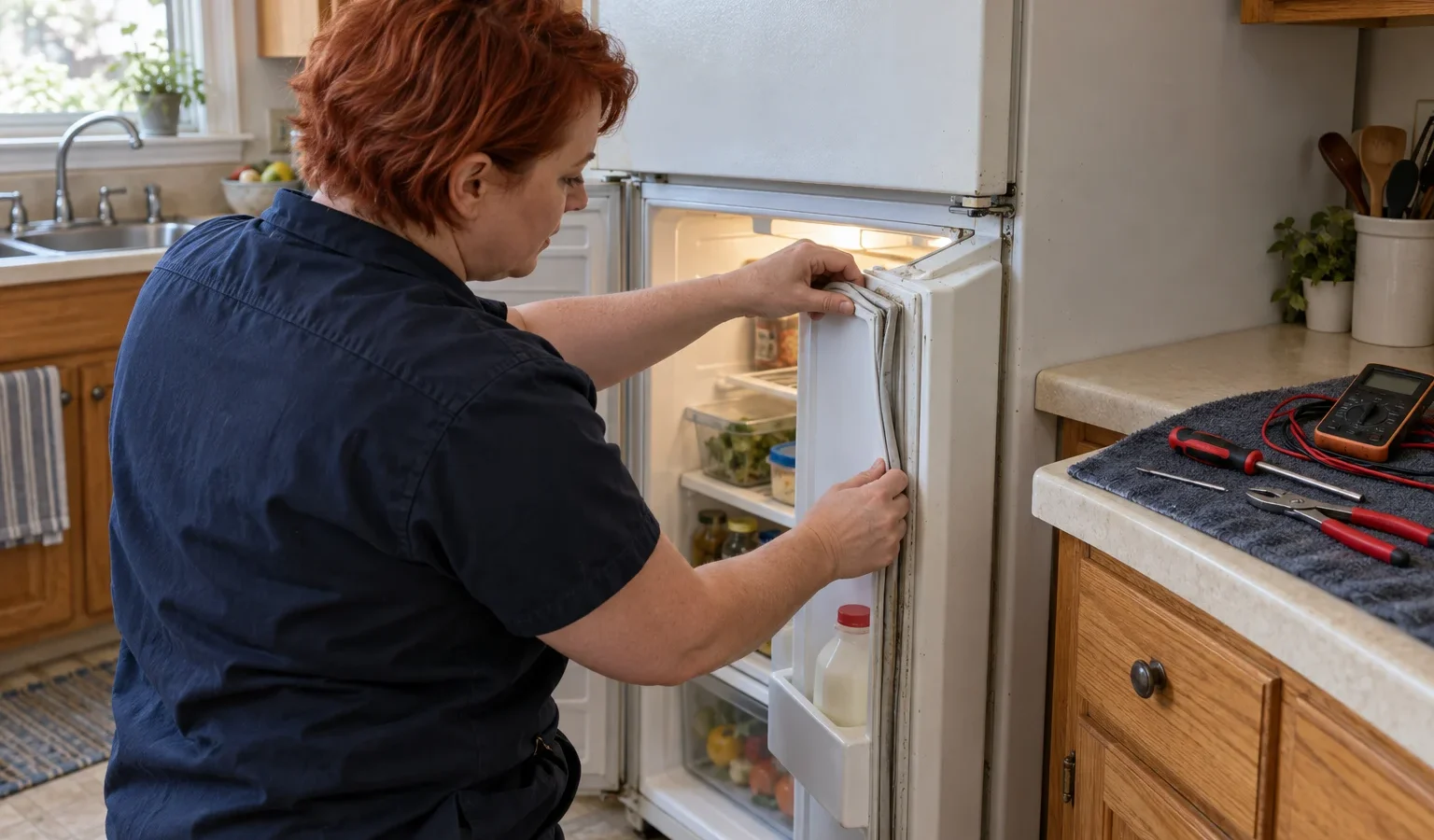
Refrigerators and freezers divide into easy and hard faults. Fans, defrost parts, door seals and ice maker components are routine; the sealed refrigeration system is not. See Kenmore refrigerator repair and Kenmore freezer repair.
Washers and dryers are mostly mechanical, and many faults are inexpensive in effort: belts, pumps, igniters, thermal parts. A cracked tub or failed main bearing is a different story. See Kenmore washer repair and Kenmore dryer repair.
Ranges, ovens and cooktops: elements, igniters, sensors and door locks are all usually repairable. A damaged electronic control on an older unit needs a careful look. See Kenmore range repair.
Dishwashers: pumps, valves, latches and sprayers are routine; a leaking tub or rusted rack frame points toward replacement. See Kenmore dishwasher repair.
Narrow stairs, shared laundry rooms and elevator buildings can make delivering and removing a large appliance harder than fixing the one you have. Rentals add another layer: a landlord may need to approve a replacement, while a repair is often simpler to approve. Take measurements and photos of your existing space before you decide, and check building rules about delivery.
Do not decide on a symptom alone. Do not open panels to look for the cause yourself. Do not keep using an appliance that smells of gas, smokes or sparks; power off at the breaker or leave and call the gas utility or 911 from outside, as appropriate.
Ask how much the appliance matters to your daily routine, how well it has served you, and whether the fault looks like a one-off or part of a pattern. Think about whether you want the same type and size again, or whether your space and needs suggest a change. If you are weighing a change of fuel or a different layout, replacement may also involve a plumber, an electrician or a gas fitter, and that is worth knowing before you commit.
Finally, consider the time it takes. A repair can sometimes be done in one visit, while a replacement involves ordering, delivery windows, installation and haul-away. For some households, being without a working unit for a stretch matters more than anything else on this list.
If you rent, the lease may say who pays for appliance repairs, and some landlords prefer a fix while others prefer new units. For managers with many flats, consistency matters: a repair that keeps a familiar unit in service avoids retraining tenants and stocking different parts. A replacement may suit a unit that is failing every season. Either way, a written estimate after a diagnosis gives everyone the same facts to work from.
If a visit shows a routine part and the rest of the unit is sound, repair is usually the practical choice. If it shows a deep fault, a damaged body or unavailable parts, replacement is more likely to serve you. Browse our services or appliances pages, or the common problems index, to see what each kind of fault looks like.
Age alone does not decide it. Look at the fault, whether the rest of the unit is sound, and whether parts for your model are available.
We give a written estimate after diagnosis, and nothing is repaired until you approve it. Ask when you book if you want details on how the visit runs.
Sealed cooling system faults, a damaged or rusted body, repeated failures of different parts and unavailable parts commonly lead to replacement.
Yes. It determines which parts exist for your unit. Some models in our list are no longer sold new, which makes parts a real question.
Usually your landlord or property manager. Having the diagnosis and written estimate helps them decide quickly.
Share a few details and we’ll confirm an appointment. Prefer to talk? Call us and we’ll help right away.